
Lubbock Garage Door Guide
Why Lubbock's Age of Housing Matters for Your Garage Door
Most Lubbock homes were built between 1963 and 2003, and cold winters put real strain on torsion springs and openers made for that era. Here's what to watch.
- Licensed & Insured
- Same-Area Service Calls
- Upfront Pricing
The Problem
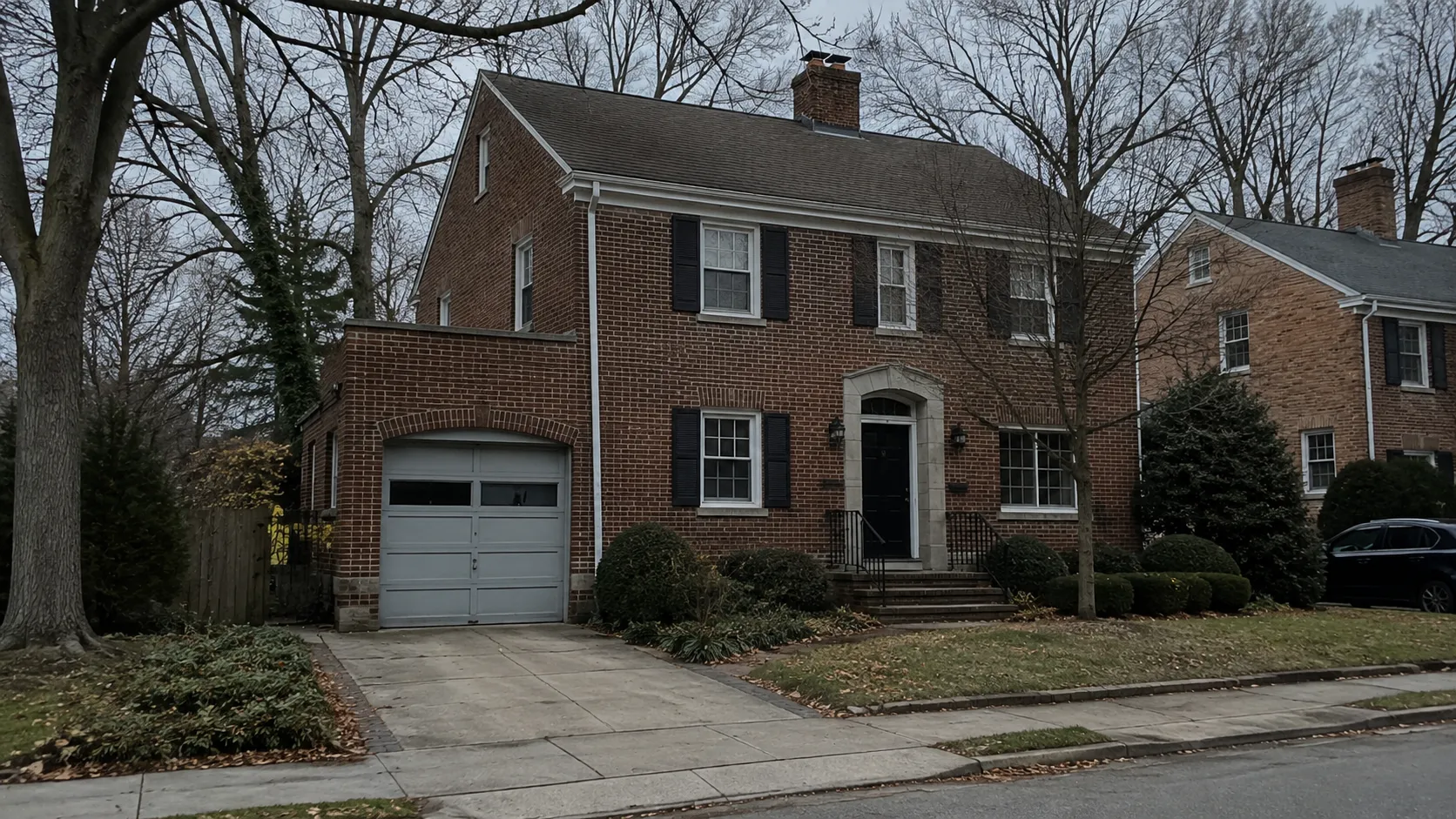
Lubbock's housing stock runs from 1963 to 2003, with a median build year of 1967. That means a big share of the doors we get called on are still riding the hardware that came with the house: single torsion springs sized for lighter, thinner steel panels, chain-drive openers from before belt drives were common, and galvanized cable that's had four or five decades to fatigue. Across the service area's 3,838 owner-occupied houses, most share that same builder-grade gauge of spring and track from that stretch of decades, not the heavier stock you'd find on a house built in the last ten years.
The problem isn't that old hardware is bad. It's that it was sized for a door and a climate load that's been quietly changing for fifty years, and nobody's replaced the spring on a schedule - they replace it when it snaps.
On a house from 1967, that spring has usually outlived two or three openers already. We can't tell you the exact year yours was installed without looking at it, but if the house dates to that era, the odds are good the spring does too.
What Local Conditions Do
Lubbock sits in a cold-moderate climate band, not the hard freeze of the northern plains but enough temperature swing across a winter day to matter. Steel torsion springs contract in cold and the coil gap tightens; the lubricant inside an older spring - especially one that's forty or fifty years old and was never regreased - thickens up on a cold morning and loosens again by afternoon. That daily flex is what finally opens a hairline fatigue crack that's been building for years.
On houses from the 1963-2003 stretch, garages were rarely built as conditioned space, so the door and its hardware take the full swing of outside temperature with no buffer. A newer torsion spring rated for wider temperature ranges shrugs this off.
An original spring from the 60s or 70s, already near the end of its cycle count, doesn't. This is also why a door that opened fine in October can start binding or groaning in January - the hardware hasn't changed, but the coil tension has.
The Common Mistake
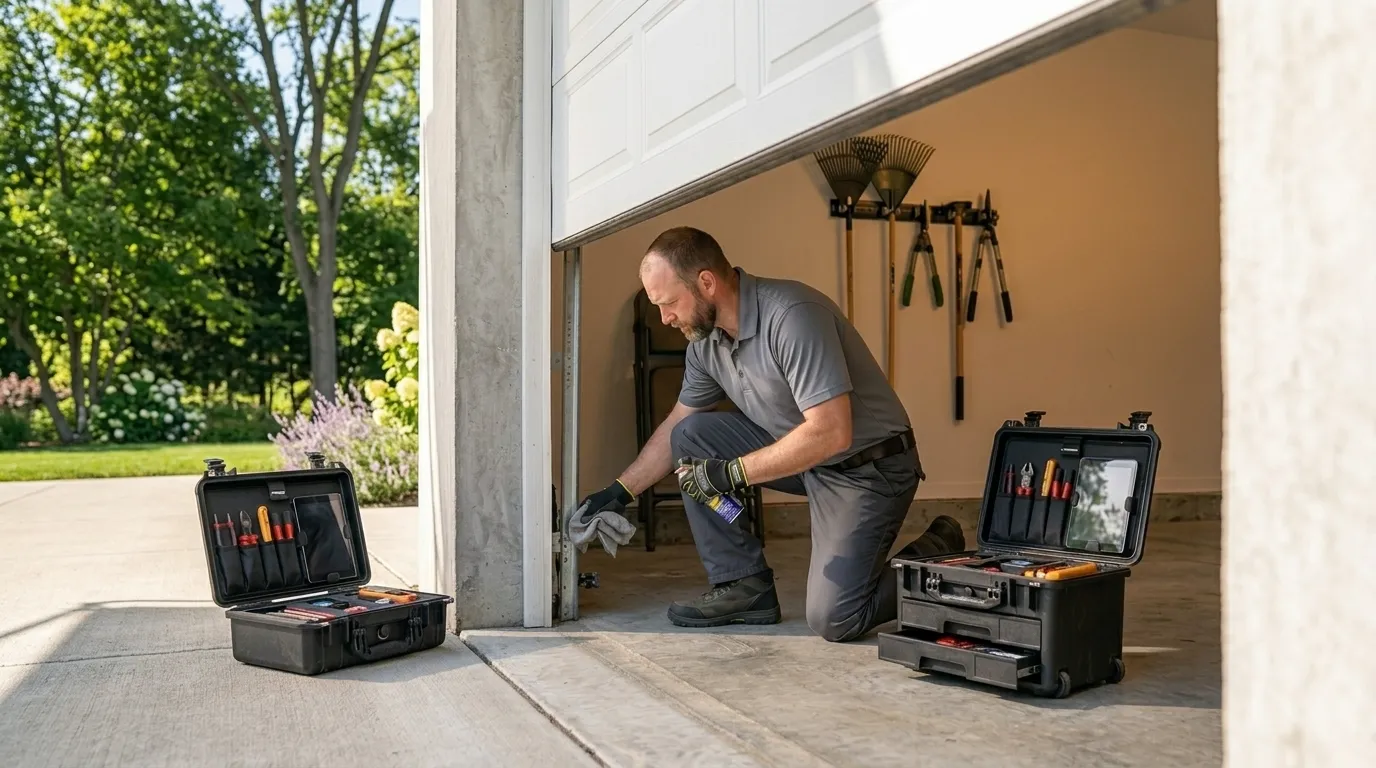
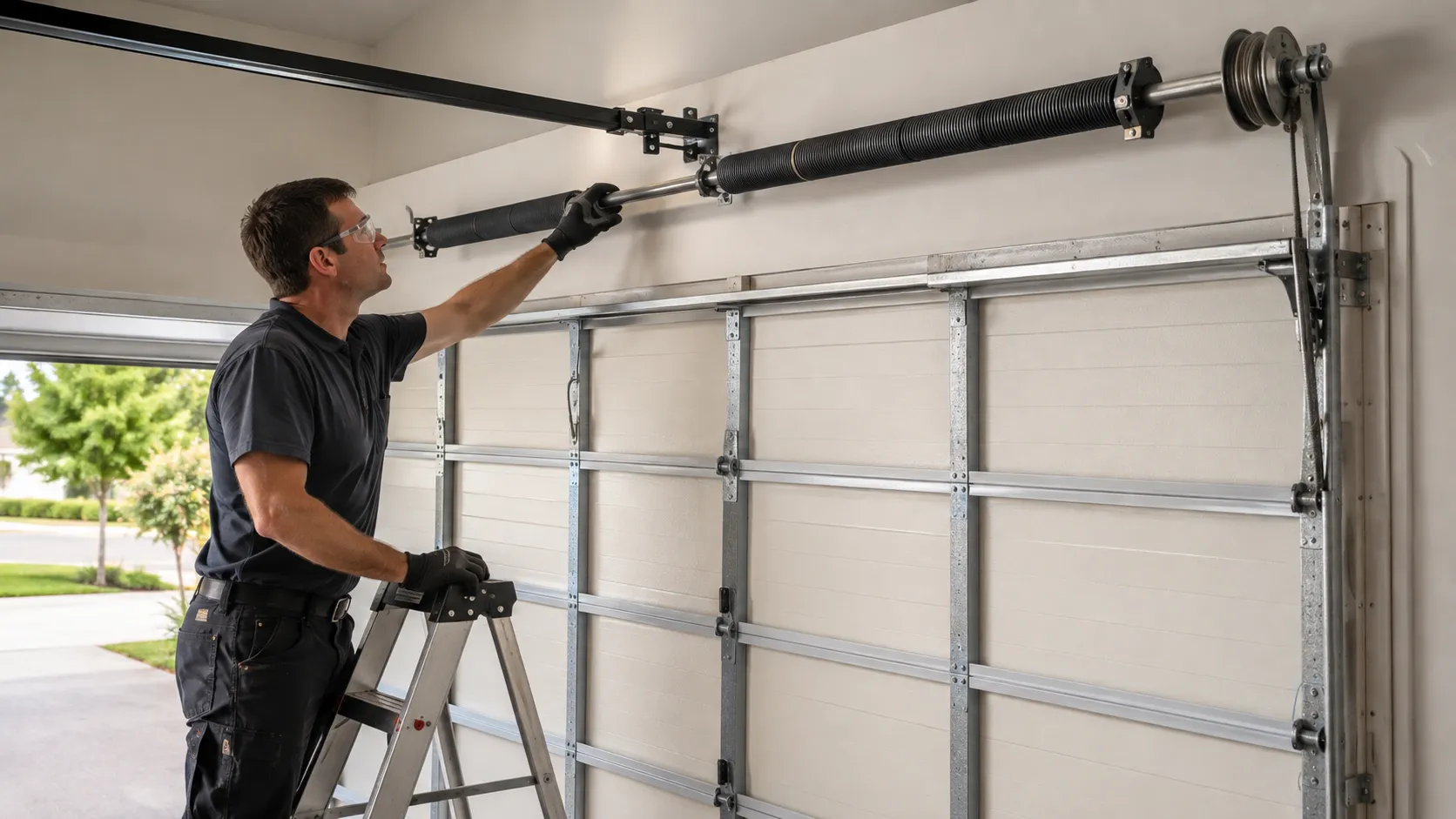
The mistake we see most on Lubbock's older housing stock is replacing one spring on a two-spring system and leaving the other side alone because it "still looks fine." A double garage door built in the 1960s or 70s almost always runs two separate torsion springs, matched to carry the panel weight together. If one snaps from age and you swap only that one, you've got a new spring pulling against an old, weaker one - the door lifts crooked, the opener strains harder than it should, and the second spring usually goes within a year or two anyway.
The other version of this mistake is spraying WD-40 on a stiff spring or noisy roller and calling it maintenance. WD-40 is a solvent, not a lubricant - it strips what grease is left and leaves the coil drier than before.
On hardware that's already forty-plus years old, that's the last push toward failure, not a fix. We'll say plainly: if your spring is original to a house built before 2003, treat any repair as a two-spring job, not a one-spring job.
What to Check
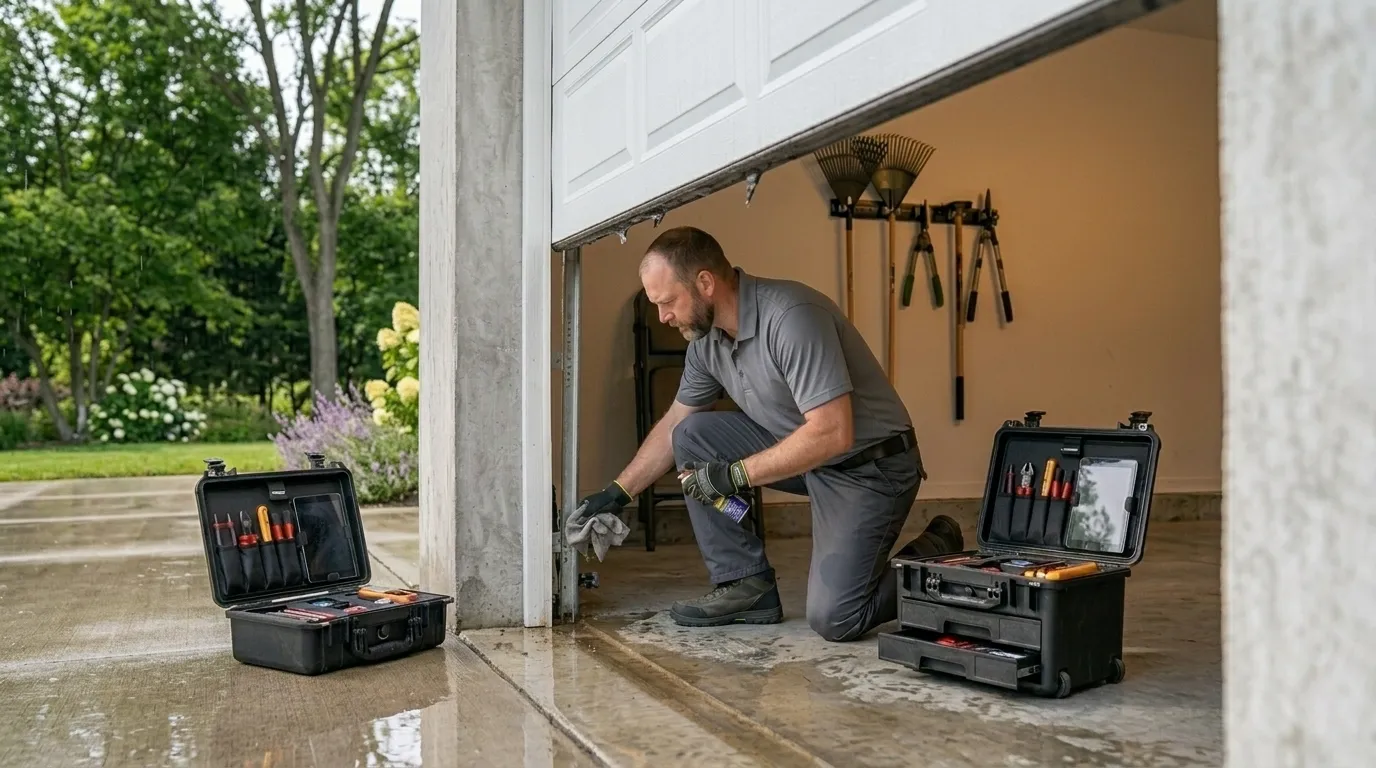
Start with the coil gap on the torsion spring above the door - if you can see daylight between coils that used to sit tight, or the spring looks stretched compared to its mate, that's wear talking. Listen for the opener: a chain-drive unit from the 70s or 80s runs louder and looser than a modern belt drive, but a sudden increase in slap or grinding is different from normal age noise.
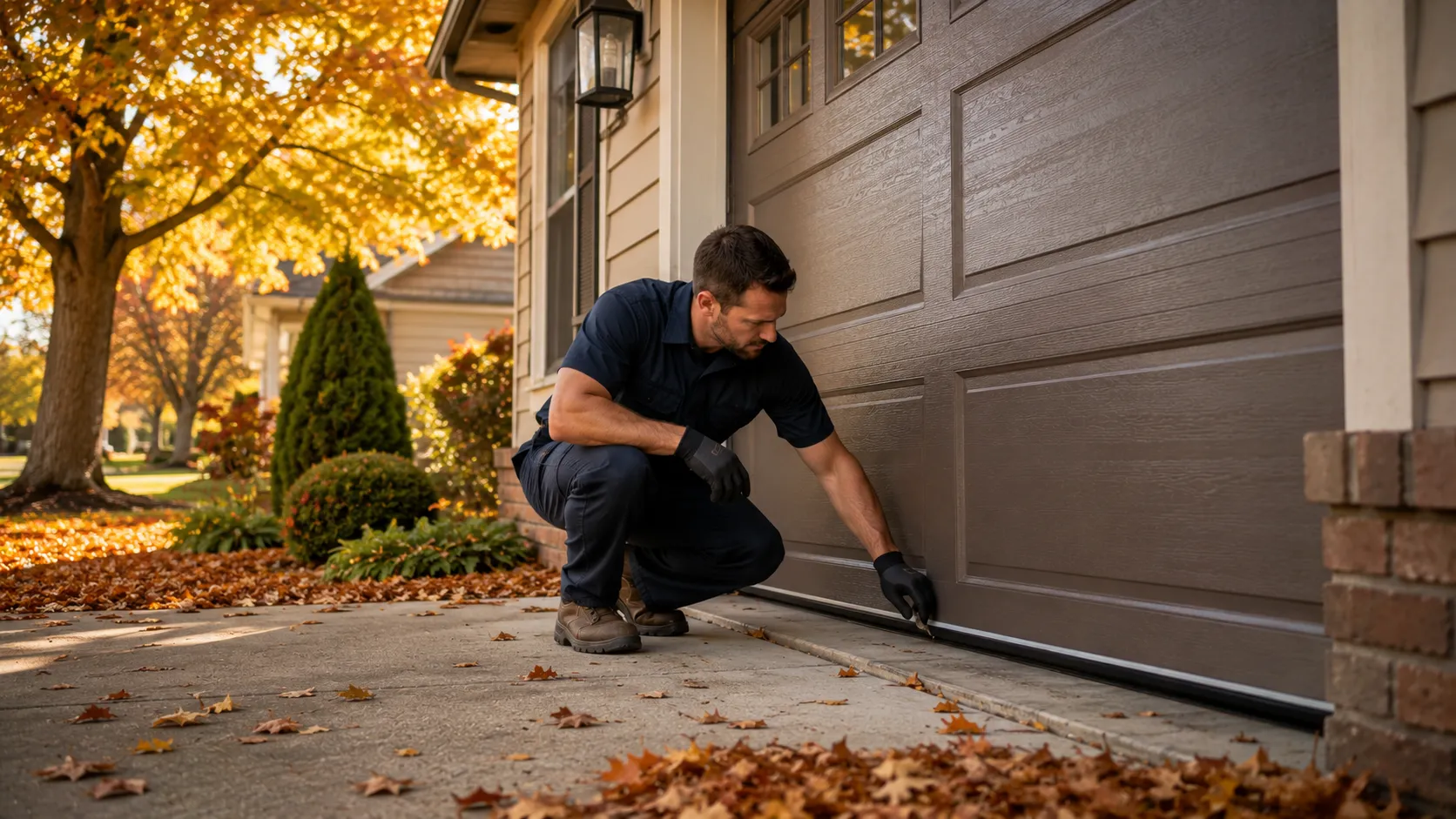
Check the weatherstrip at the bottom panel and along the sides - on a door this old, cold-moderate winters have usually hardened or cracked the original rubber, letting in the draft that makes an attached garage colder than it should be. Look at the track brackets too; houses from the 1963-2003 era often used lighter-gauge steel track, and decades of temperature flex can loosen the lag screws holding it to the frame. If you're in one of the closer-in areas like Maxey Park, Bowie, or Arnett Benson, the housing age is similar enough that the same checklist applies pretty evenly across the neighborhood.
How We Can Help
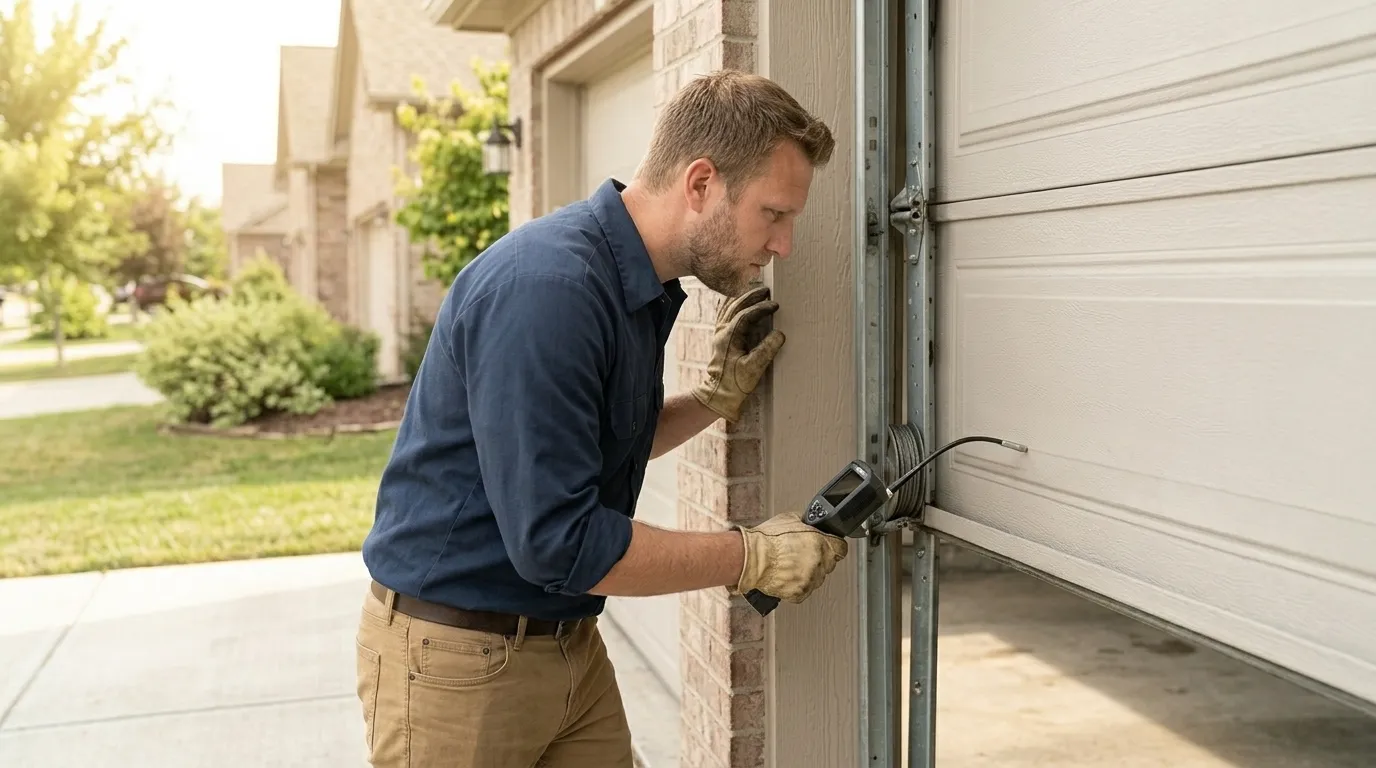
Garage Door Repair
Springs, cables, tracks, rollers, and openers fixed by a tech who explains the problem before touching anything.
Learn more →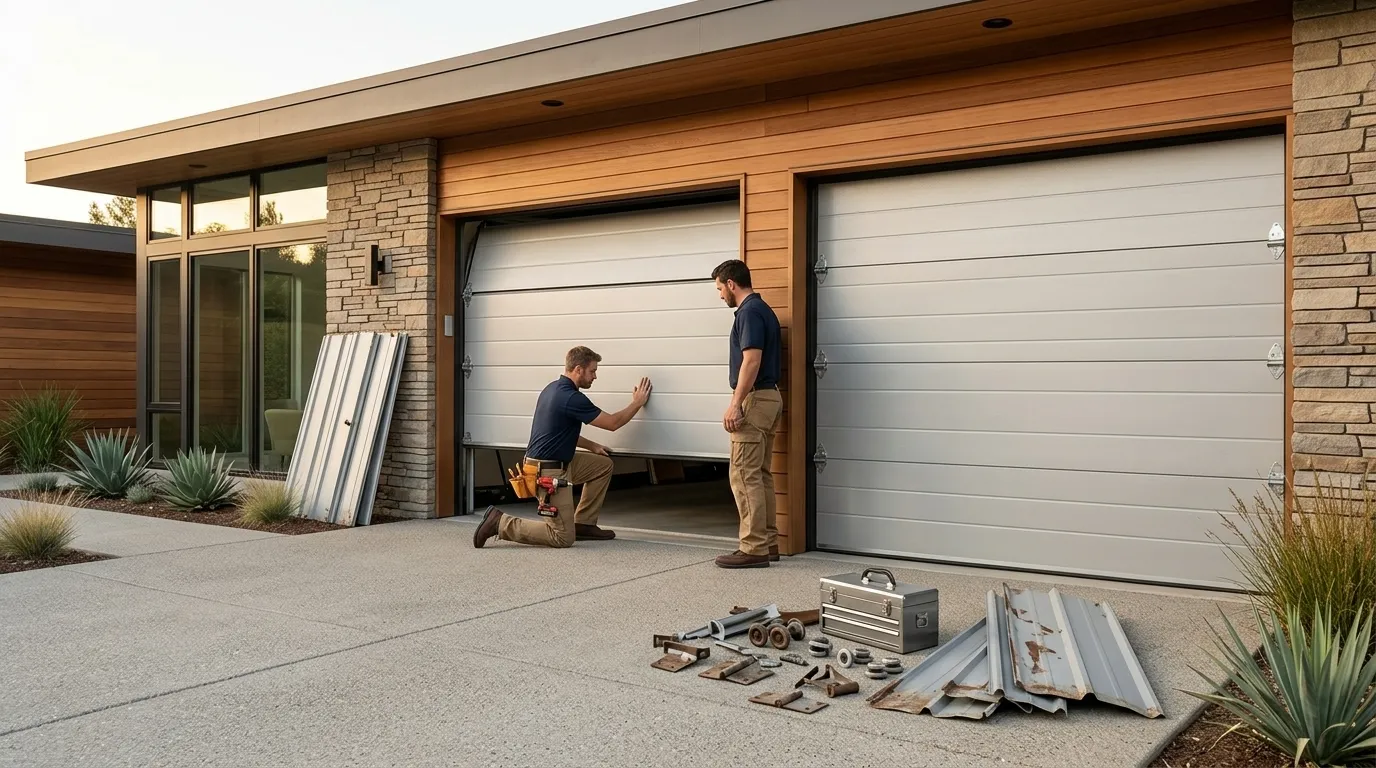
Garage Door Installation
New sectional doors sized and installed for the housing stock actually built in this area.
Learn more →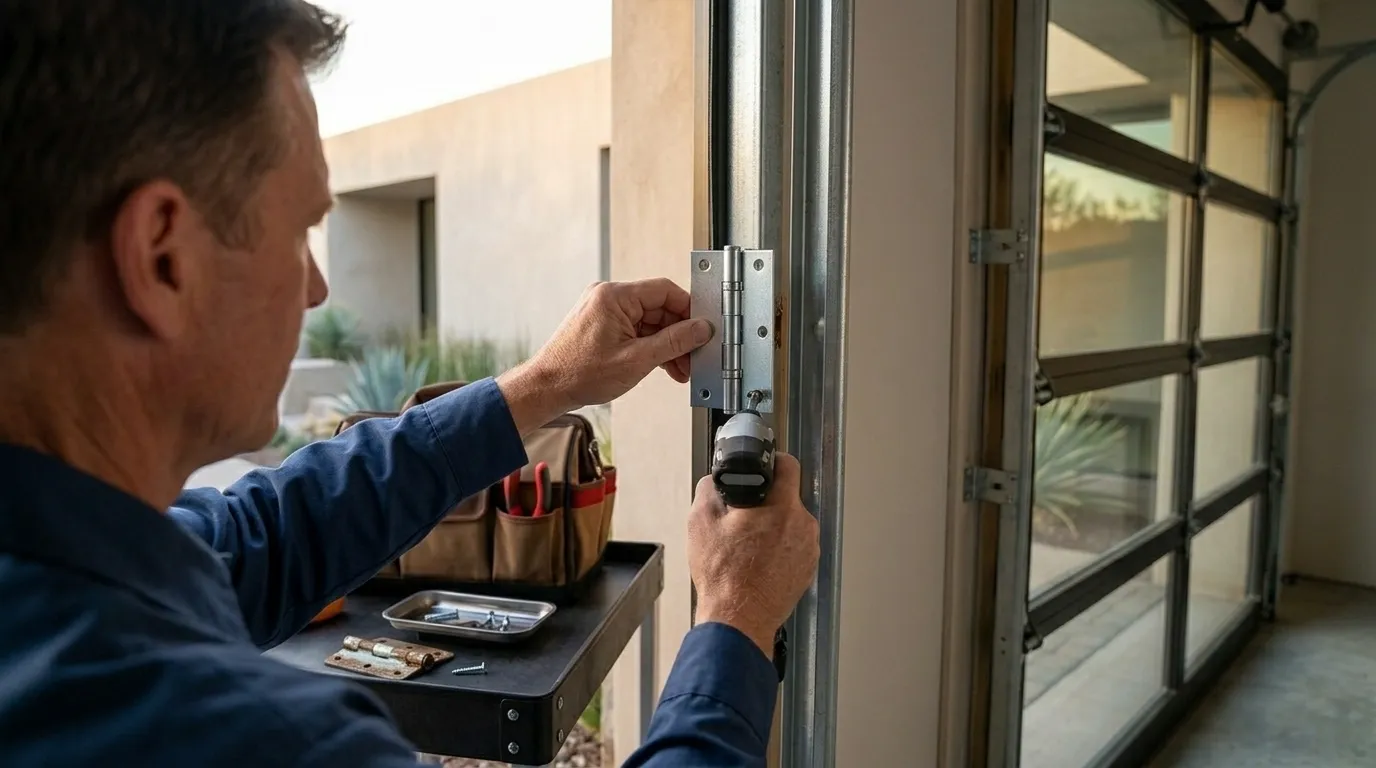
Garage Door Service
Tune-ups, lubrication, and safety checks that catch a small problem before it becomes a service call.
Learn more →Frequently Asked Questions
Why does my garage door spring keep breaking every couple of years?
If your house dates to the 1963-2003 stretch that covers most of Lubbock, the spring gauge installed originally was sized for a lighter door and a shorter service life than what's expected now. Repeated short-interval breaks usually mean the spring size is undersized for the panel weight, not that you're doing anything wrong.
Does Lubbock's cold weather actually affect garage door springs?
Yes. Lubbock sits in a cold-moderate climate band, and the daily swing between a cold morning and a warmer afternoon flexes an aging torsion spring's coil gap. On hardware installed decades ago with grease that's never been renewed, that daily flex accelerates fatigue cracking that eventually ends in a snap.
Should I repair or replace an original door from the 1960s or 70s?
It depends on the panel condition more than the spring. If the steel is rusted through or the panels are dented and no longer square, replacing the door usually costs less over time than repeated hardware repairs on a door that's fighting you anyway. We can't give you a number without seeing the actual panel and track condition.
Get Started
Have a Door That Needs a Second Opinion?
Call and describe what it is doing - we will tell you what it likely is.