
Lubbock Garage Door Guide
Is Your Lubbock Garage Door Worth Fixing, or Time to Replace
Lubbock homes built in the 1960s and 70s carry original hardware most shops don't stock. Here's how to tell if your door is worth repairing or past it.
- Licensed & Insured
- Same-Area Service Calls
- Upfront Pricing
The Problem
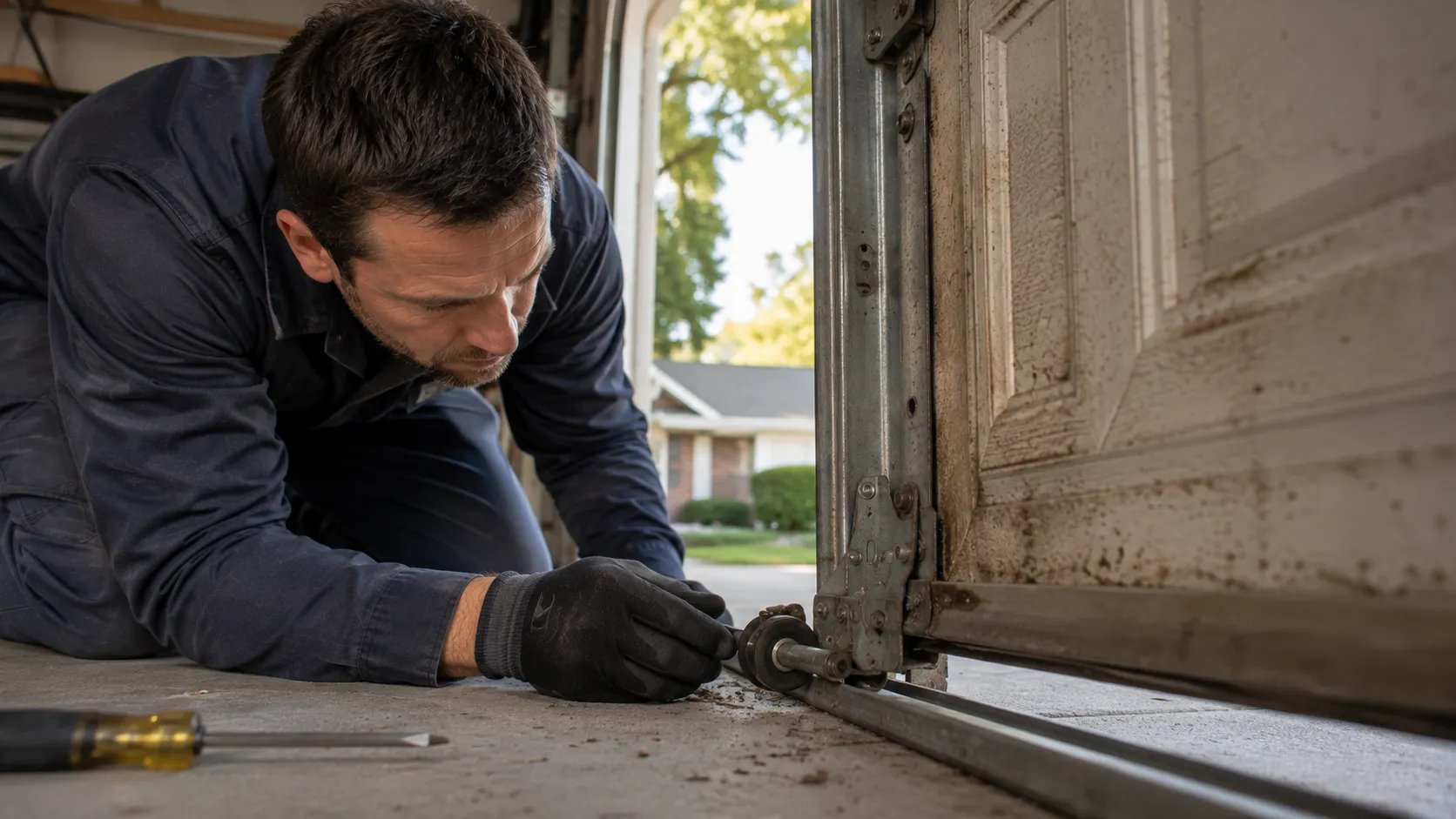
A lot of the doors we get called out for in Lubbock aren't broken because of bad luck. They're old.
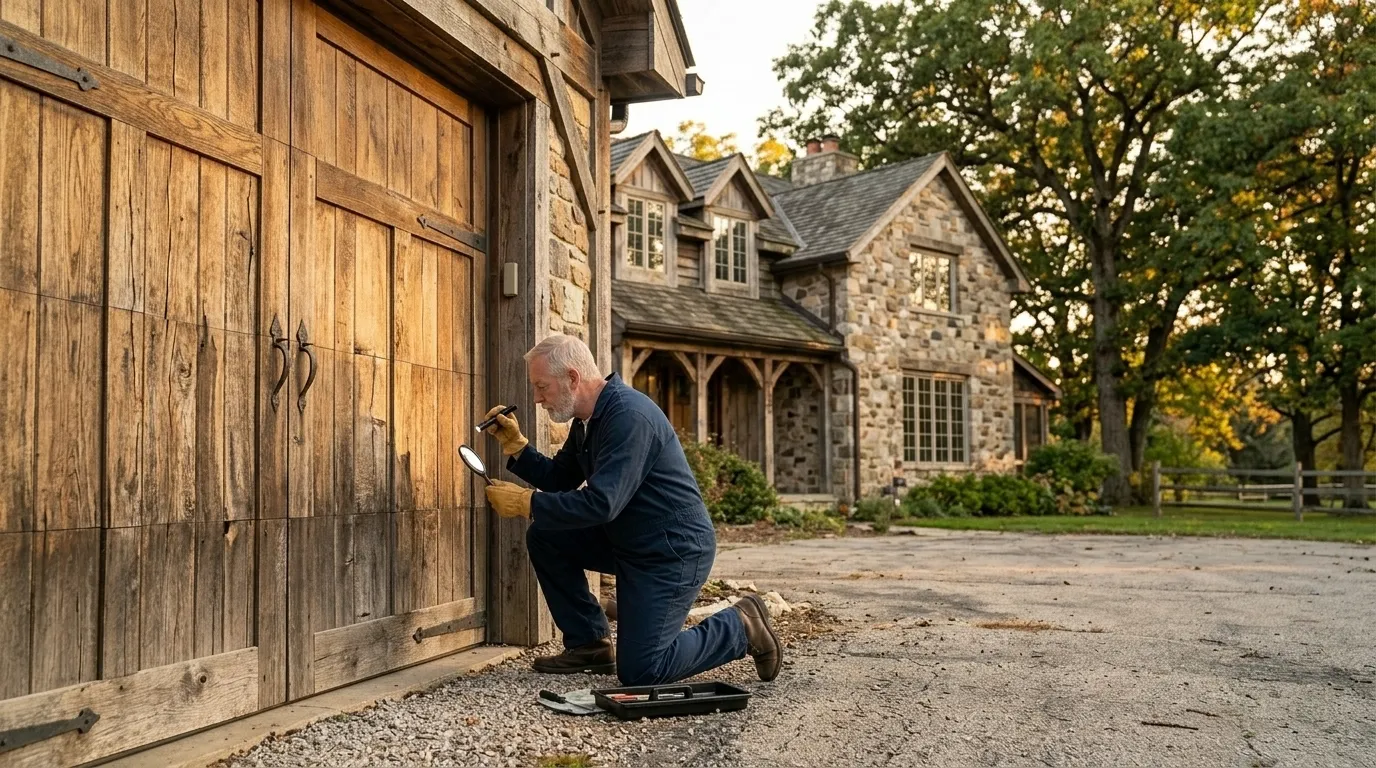
Housing in this service area was built mostly between 1963 and 2003, with the median year sitting around 1967, and areas like Maxey Park, Arnett Benson, and Dunbar-Manhattan Heights still carry a heavy share of that 1960s-70s stock. That means a lot of original doors, original track, and original spring hardware still hanging on garages that have never been touched.
The question homeowners actually need answered isn't "why did my door break" - it's whether the door in front of them is worth putting money into. A steel section door from the 1970s with a worn torsion spring is a different call than a hollow panel door from the same era that's started to bow.
One is a spring swap. The other is a door that's outlived its steel.
With 3,838 owner-occupied houses across this area, most of them sitting on that same older housing timeline, this isn't a rare case. It's the normal call.
What Local Conditions Do
Lubbock sits in a cold-moderate climate band, which doesn't sound dramatic, but it means real temperature swings across a year on hardware that was installed when nobody was thinking about that. Steel track and torsion springs contract and expand with those swings. On a door installed in the 1960s or 70s, that's fifty-plus years of cycles on hardware that was never rated for a modern lifespan to begin with.
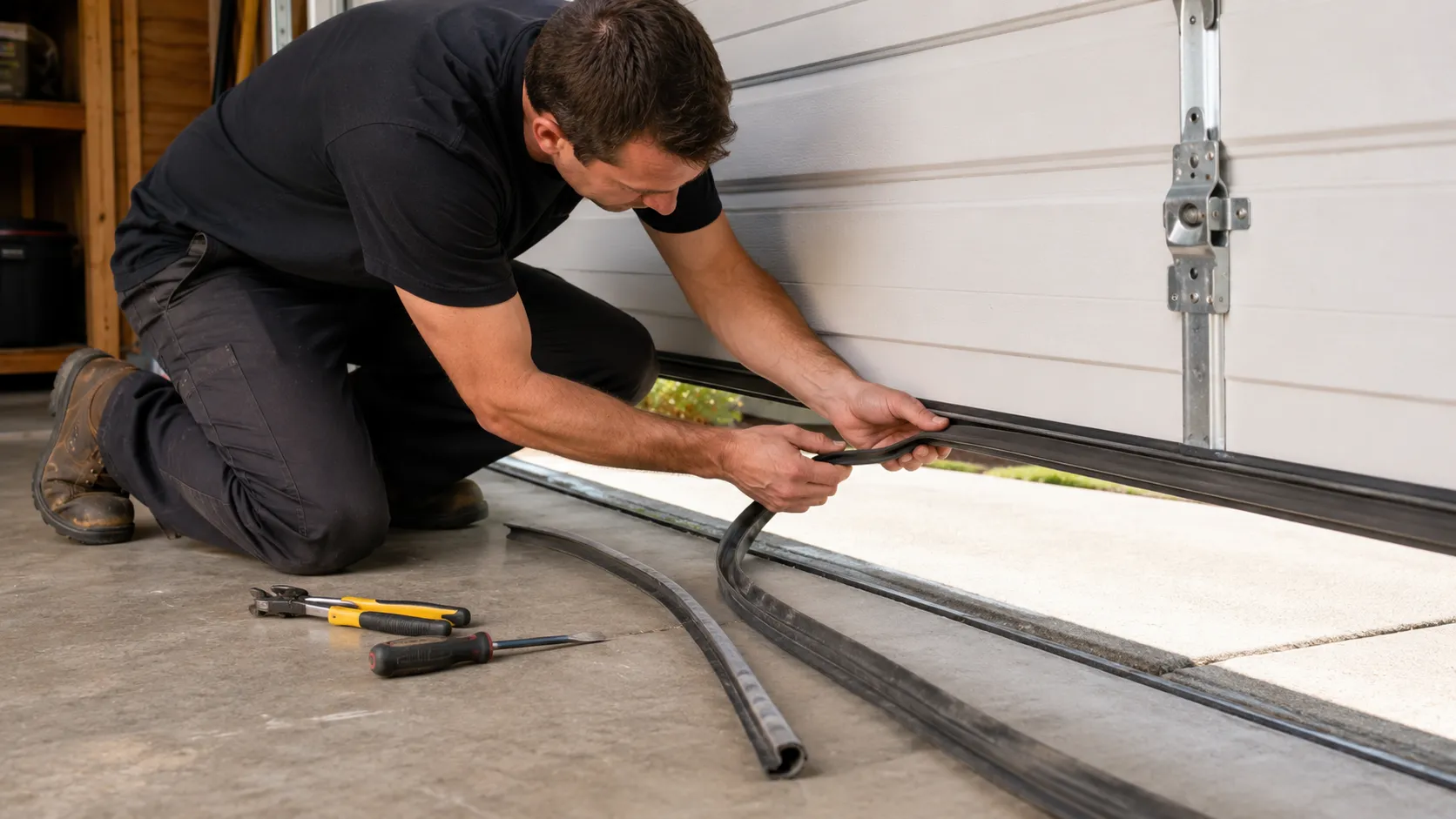
What we actually see: springs that have lost tension unevenly, track bolted to jambs that have shifted slightly over decades, and rollers that were steel to begin with and have worn a groove into the track rather than rolling clean. None of that is dramatic failure. It's slow wear that finally announces itself the day the spring lets go or the door won't lift past waist height.
A newer door in the same climate doesn't show this yet, because it hasn't had the decades of cycling. Age plus this climate band is the actual combination that matters here, not one or the other alone.
The Common Mistake
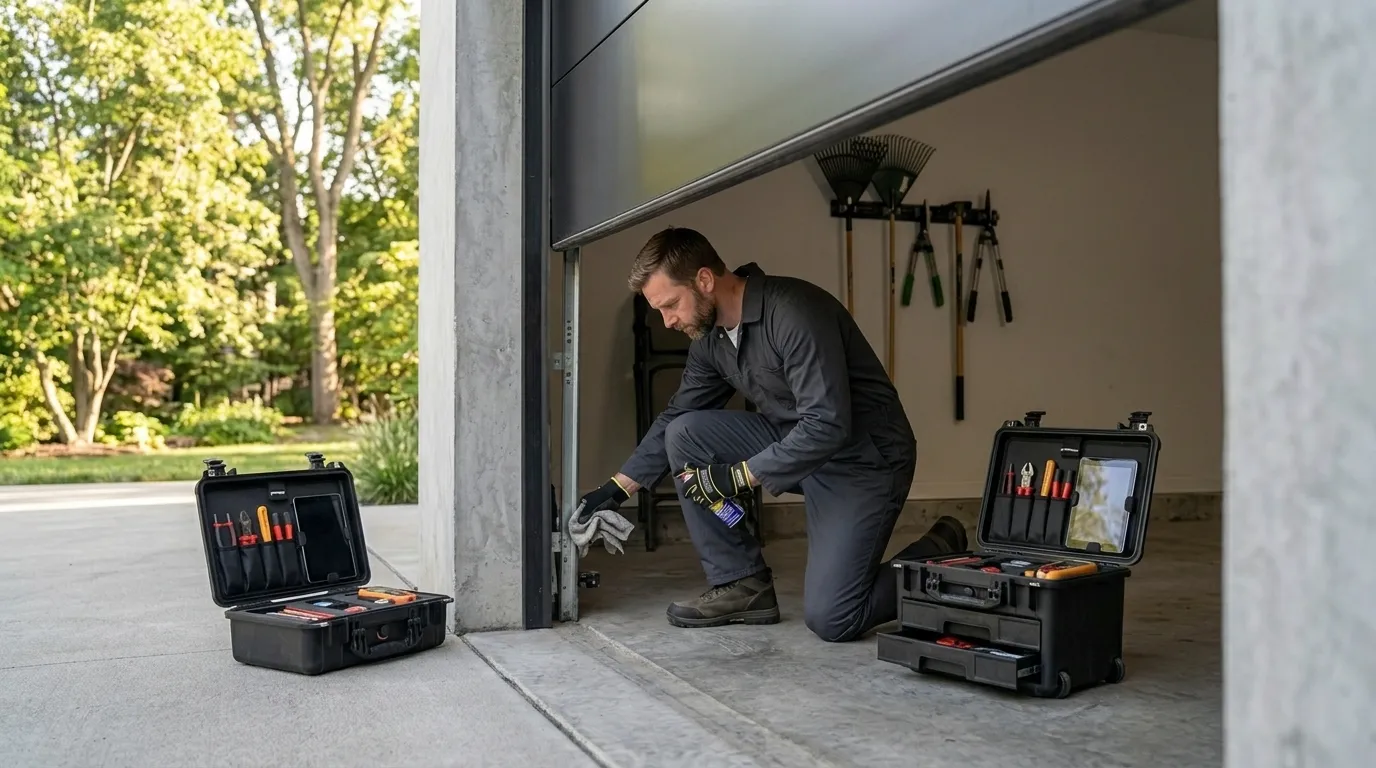
The mistake we see most in this area is replacing the part that failed and stopping there. A homeowner in a 1960s-era house on the Lubbock side gets a spring replaced, and six months later the opener strains, or a cable frays, because the rest of the hardware is the same age as the spring that just failed and was never inspected.
On a door this old, one failed part is rarely the only worn part. If the springs were original to a house built in the median 1967 range, the rollers, cables, and center bearing plate have had the same run of years on them. Replacing one and leaving the rest is a repair that buys a few months, not a few years.
The other version of this mistake runs the other way: replacing an entire door when the panels and track are sound and the real problem is one seized bearing or an opener that's simply out of adjustment. Not every older door needs to go. That's the honest limitation here - we don't have a formula that tells you which one you've got without looking at the actual hardware in front of us.
What to Check
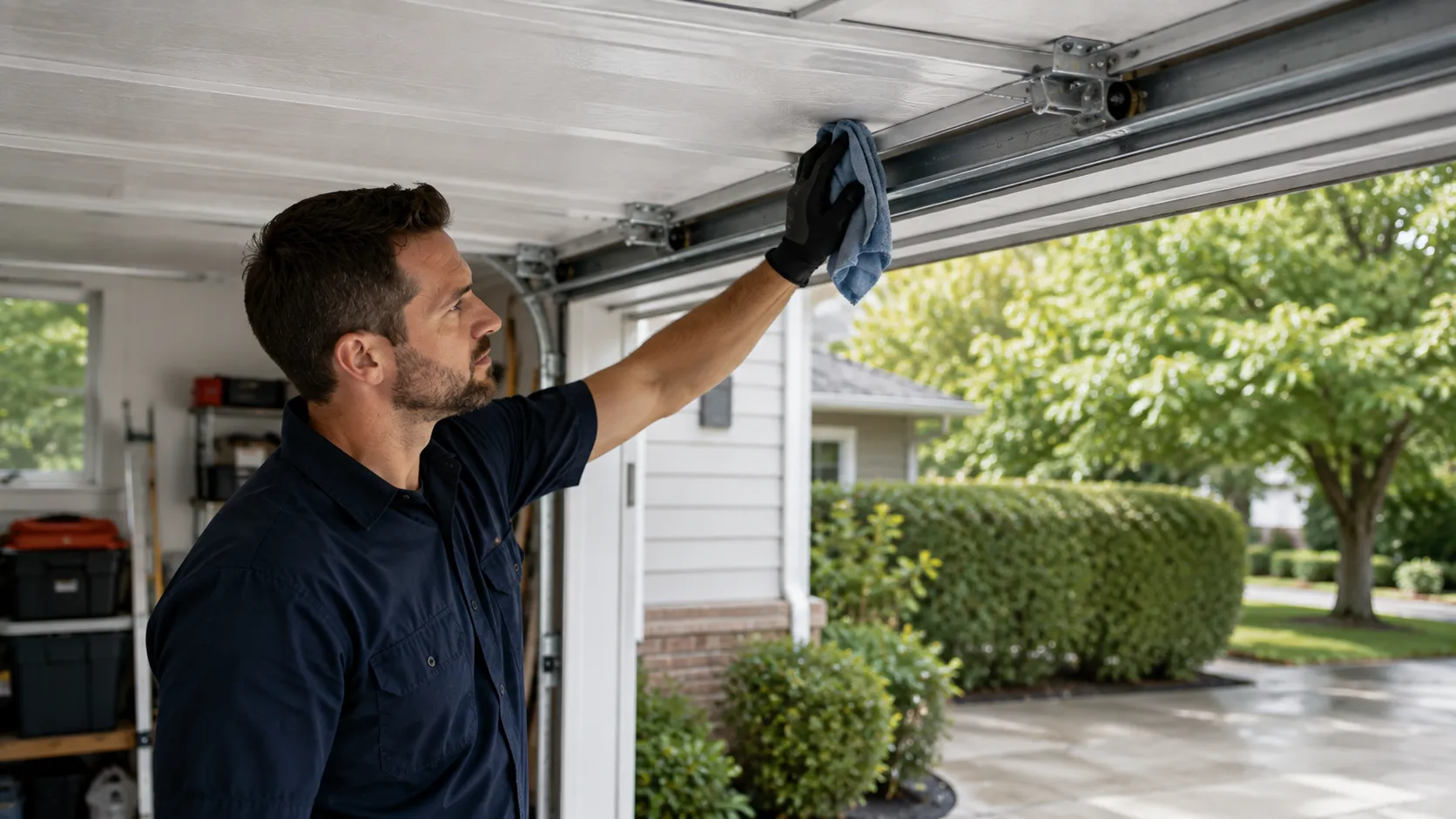
Before you decide, look at three things on your own door. First, the springs - if they're the original torsion springs on a house from that 1960s-70s build window, count on them being past their rated cycle life even if they haven't broken yet.
Second, the track - look for daylight or gaps where it bolts to the jamb, which shows up more on the older stock in this area because the framing has settled over the decades. Third, the panels themselves - steel sections from that era can still be structurally sound; it's rust-through at the bottom panel and bowing across the width that mean the door itself, not just the hardware, is done.
If the springs and rollers are worn but the panels are straight and the track is true, that's a repair, and usually a modest one. If the bottom panel is rusted through or the door doesn't sit flush anymore, you're not fixing your way out of that. With household incomes in this area averaging around $76,850, most owners want a straight answer on which category they're in before they spend anything - that's a fair ask, and it's the first thing worth checking before you call anyone.
How We Can Help
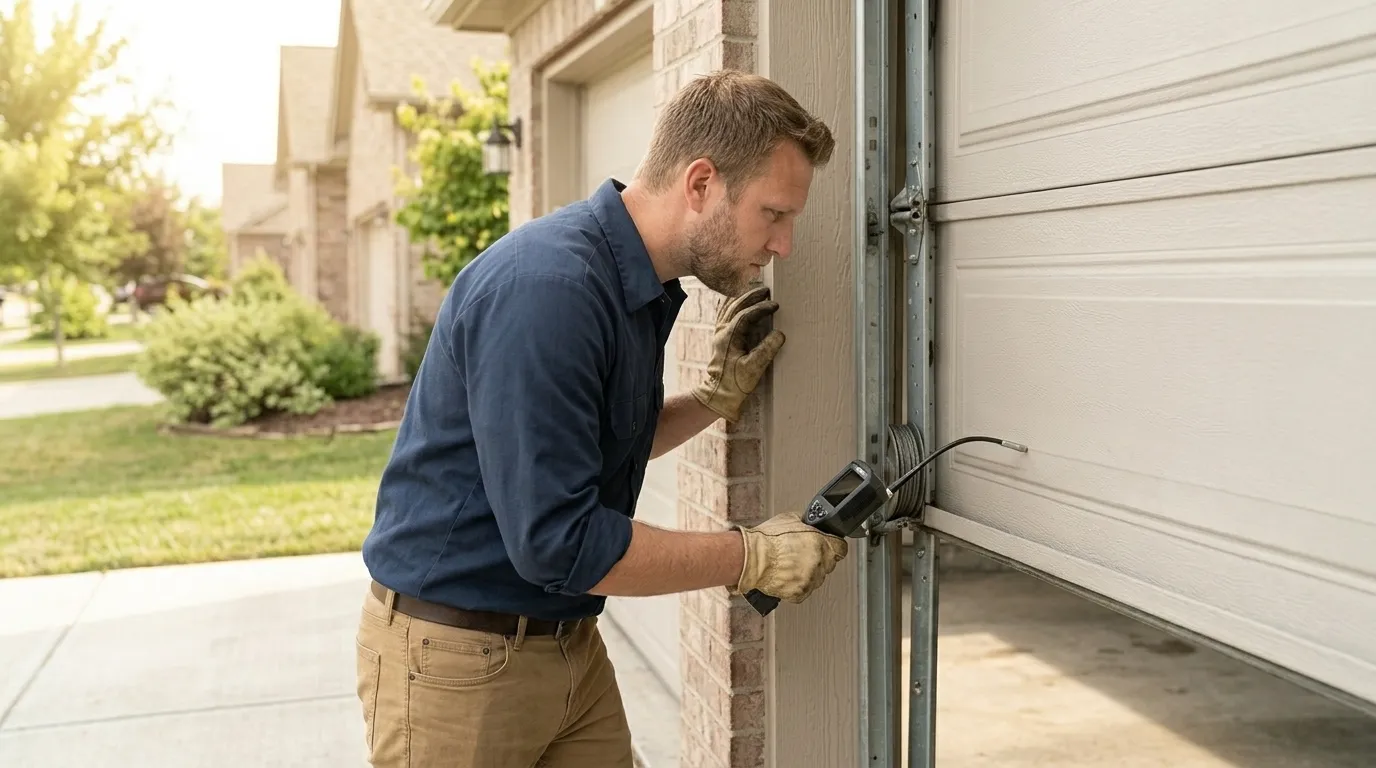
Garage Door Repair
Springs, cables, tracks, rollers, and openers fixed by a tech who explains the problem before touching anything.
Learn more →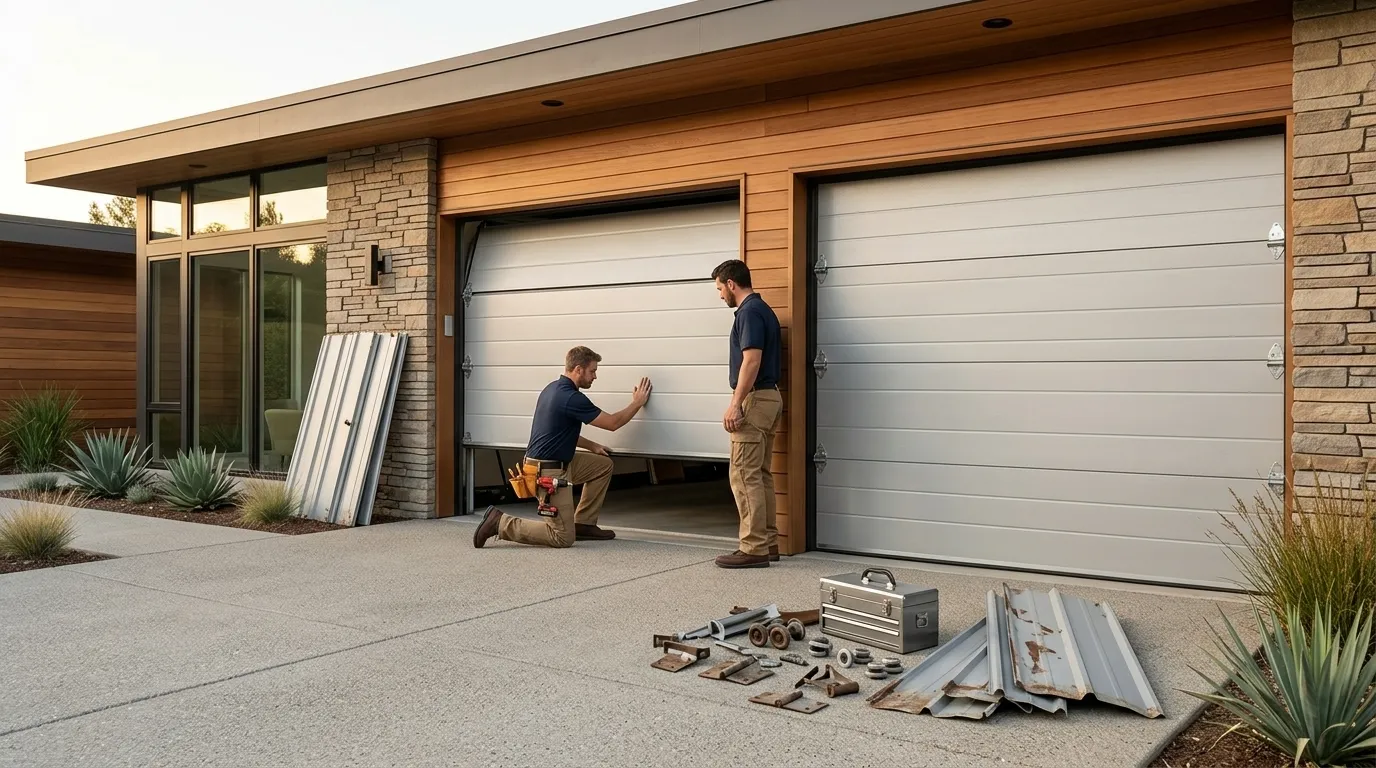
Garage Door Installation
New sectional doors sized and installed for the housing stock actually built in this area.
Learn more →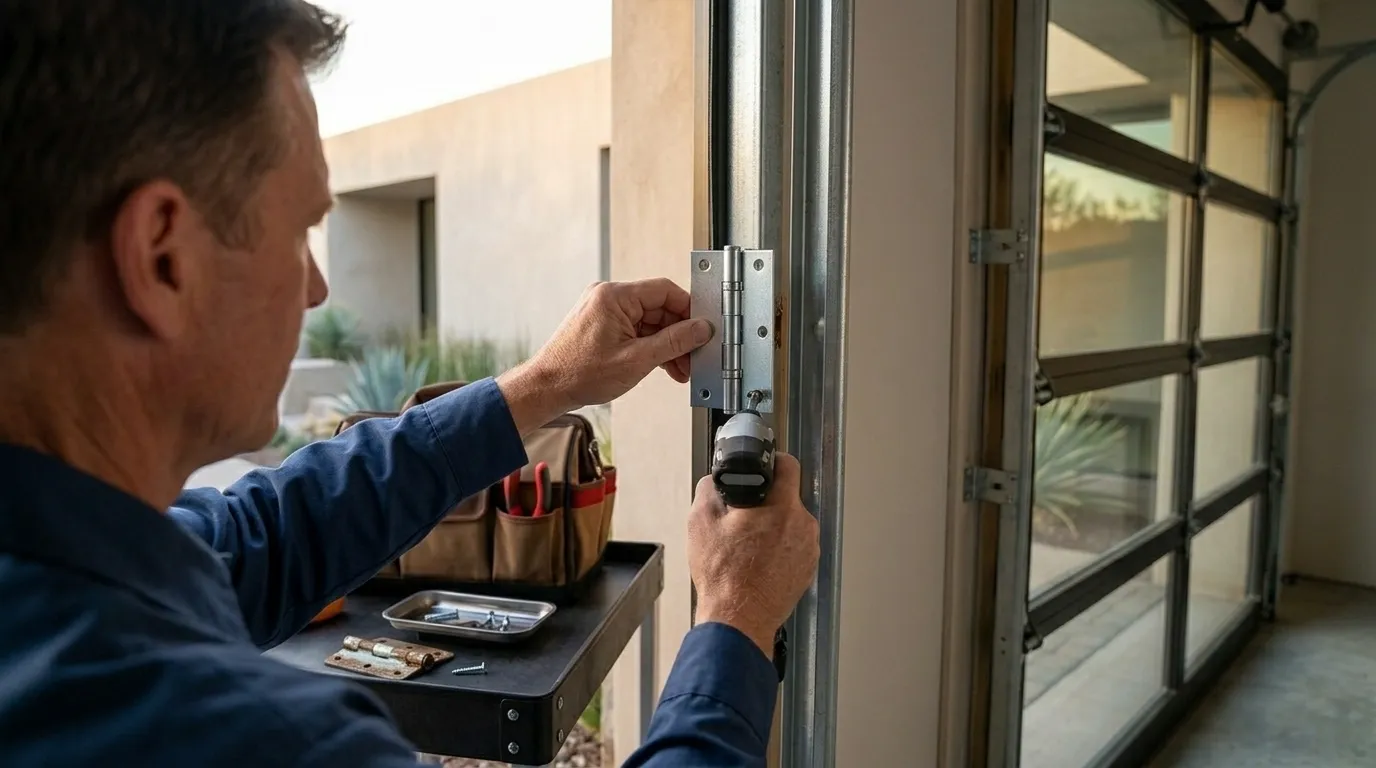
Garage Door Service
Tune-ups, lubrication, and safety checks that catch a small problem before it becomes a service call.
Learn more →Frequently Asked Questions
My garage door is from the 1970s and still works fine. Do I need to replace it?
Not necessarily. A lot of the original doors on 1960s-70s houses in this area still have sound panels. The hardware - springs, rollers, cables - is what wears out first. If the door itself is straight and rust-free, replacing worn hardware usually makes more sense than replacing the whole door.
Why do older doors in Lubbock seem to fail more in certain seasons?
Lubbock's cold-moderate climate band puts real temperature swings on steel torsion springs and track year over year. On hardware that's decades old, those cycles add up, so failures tend to surface when temperatures shift rather than during steady stretches.
How do I know if my spring failure means I need a whole new door?
A spring failure alone usually just means a spring replacement, even on an older door. It's a sign to replace if you also see rust-through on the bottom panel, visible bowing across the door's width, or track pulling away from the jamb - those point to the door itself being worn out, not just the spring.
Get Started
Have a Door That Needs a Second Opinion?
Call and describe what it is doing - we will tell you what it likely is.